Source Malaysia Refined Palm Cooking Oil for Food, Soap, and Industry
Find 30 listings for Malaysia Refined Palm Cooking Oil suitable for food cooking, soap making, and industrial applications. Buyers can compare specifications, certifications, and pricing from verified suppliers offering customizable packaging and samples.
Key considerations
Products List

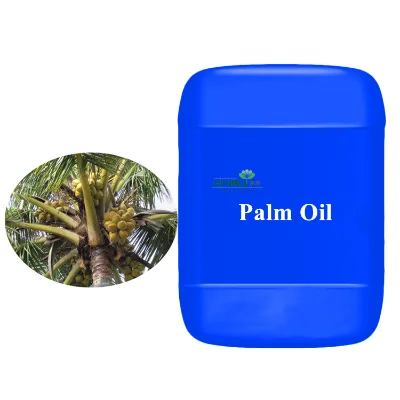


Comprehensive Sourcing Guide
Strategic Sourcing Guide for Malaysia Refined Palm Cooking Oil
The global demand for refined palm cooking oil has surged as a versatile, cost-effective, and stable lipid source for both food manufacturing and industrial applications. Sourcing this commodity requires a disciplined approach that balances technical specifications, regulatory compliance, and supply chain reliability. While the core keyword focuses on Malaysian refined palm cooking oil, the procurement landscape often involves products originating from various regions, including China, where specific processing standards and certifications play a critical role in ensuring product integrity. Buyers must navigate a complex matrix of attributes, from chemical composition and shelf life to packaging requirements and minimum order quantities (MOQ). This guide provides a comprehensive framework for evaluating potential suppliers and products, ensuring that procurement decisions are grounded in verifiable facts rather than marketing claims.
Technical Specifications and Product Attributes
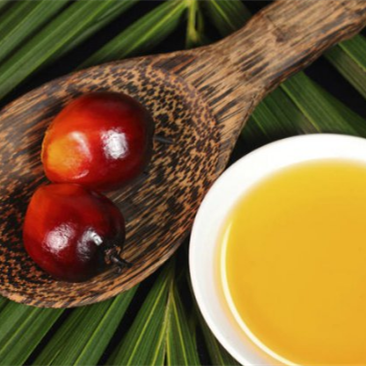
Understanding the precise technical specifications of palm oil is the first step in any sourcing strategy. The product is fundamentally characterized as a plant oil, typically appearing as a light yellow liquid with a distinct yellow coloration. The chemical identity is often anchored by a specific CAS number, such as 8002-75-3, which serves as a unique identifier for the substance in regulatory and trade contexts. The active ingredient profile may include specific extracts, such as Saw Palmetto Extract Oil, depending on the intended application, though the primary commodity remains the refined palm oil itself.
The purity of the oil is a critical metric, with suppliers often claiming a 100% purity level for their refined products. However, buyers must verify this through independent testing rather than accepting it as a default attribute. The grade of the material is typically classified as Food Grade, making it suitable for direct consumption in cooking applications. The product may also be categorized under specific model numbers, such as HZ-Palm Oil or HRB8002-75-3, which help in distinguishing between different refining levels or processing batches.
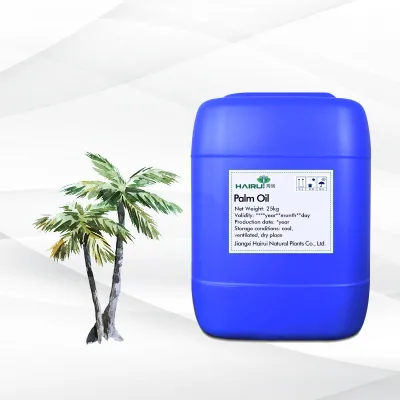
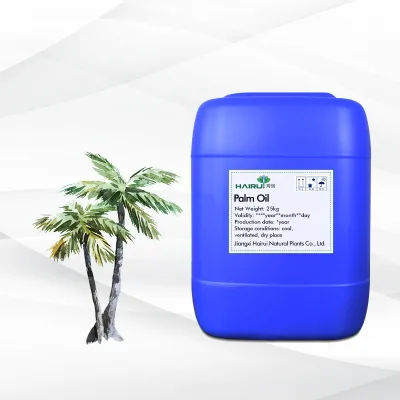
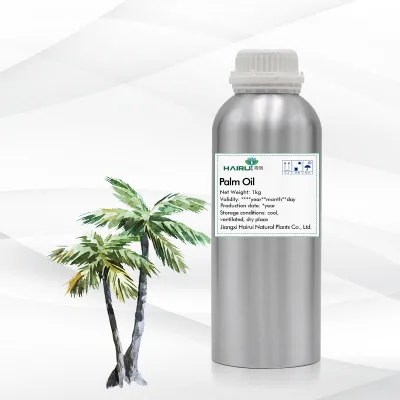
Shelf life is another vital technical parameter. Observed data indicates a shelf life of 2 years under proper storage conditions, with some variations extending to 3 years depending on the specific formulation and packaging integrity. The physical state is consistently described as a liquid, and the product is often available in various packaging formats, including bottles, cans, drums, and plastic containers. The standard packaging for bulk shipments often involves 25kg drums or cartons, while smaller quantities may be bagged in 1kg or less units. Buyers should note that single package sizes can vary significantly, with some listings indicating dimensions around 36.5x30x47.5 cm and gross weights of approximately 28.0 kg, while others may list generic or placeholder dimensions.
Compliance and Certification Verification
In the B2B food and chemical trade, compliance is non-negotiable. The regulatory landscape for palm oil is stringent, requiring suppliers to hold a robust portfolio of certifications to ensure product safety and market access. High-confidence data suggests that reputable suppliers in this sector often possess a combination of international certifications, including HACCP, FDA, ISO, BRC, and RoHS. These certifications indicate adherence to strict hygiene, safety, and environmental management standards.
Beyond general food safety, specific religious and dietary certifications are often required for global distribution. The presence of Halal and Kosher certificates is a strong indicator of a supplier's ability to serve diverse markets, particularly in the Middle East and Jewish communities globally. Additionally, ISO certification ensures that the manufacturing process meets international quality management standards. Buyers must verify that these certificates are current and issued by accredited bodies, as the mere presence of a logo does not guarantee active compliance.
The application of the oil also dictates specific compliance needs. For products intended for medicine and health care products, the regulatory bar is higher, requiring rigorous validation of the active ingredients and extraction methods. The assay methods used to verify the quality of the oil include UV, HPLC, GPC, and HPLC-MS. These analytical techniques are essential for confirming the chemical composition and ensuring that the oil meets the specified standards, such as an 85% concentration for essential oil content or specific purity thresholds.
Cost Drivers and Pricing Dynamics
The pricing of refined palm cooking oil is influenced by a complex interplay of factors, including raw material costs, refining processes, certification overheads, and logistics. The observed price range for these products in the market is vast, spanning from $2 to $30,000 USD. This wide variance is not indicative of a single product type but rather reflects differences in volume, purity, packaging, and the specific value-added services provided by the supplier.
Minimum Order Quantity (MOQ) is a significant driver of unit cost. Data shows that MOQs can range from as low as 1kg to as high as 600 units, with common thresholds observed at 2kg, 1kg, and 25kg. Suppliers offering lower MOQs, such as 1kg or 2kg, often cater to small businesses or R&D departments requiring samples, while larger MOQs like 25kg or 600 units are typical for industrial buyers seeking economies of scale. The price per unit generally decreases as the order volume increases, making it crucial for buyers to align their procurement strategy with their actual consumption needs.
Other cost drivers include the origin of the product and the specific grade. While the core keyword specifies Malaysia, the supply chain often includes products originating from China, such as Shaanxi or Jiangxi provinces. The logistics costs associated with transporting heavy drums (approx. 28kg gross weight) from these regions can impact the final landed cost. Additionally, the availability of free samples (10-20ml or 10-30ml) can reduce the initial testing costs for buyers, though the cost of the bulk order remains the primary financial consideration.
Typical Applications and Functional Versatility
Refined palm cooking oil is a highly versatile commodity with applications spanning multiple industries. The primary application is in food cooking, where its stability and high smoke point make it ideal for frying and general culinary use. However, the utility of the oil extends far beyond the kitchen. In the industrial sector, it serves as a raw material for soap manufacturing and other chemical processes.
The health and wellness sector also utilizes palm oil derivatives. Products containing active ingredients like Saw Palmetto Extract Oil are marketed for skin care, firming, hair care, and massage applications. This dual-use nature requires buyers to be precise in their specifications to ensure the oil meets the requirements of the intended end-use. For instance, oil intended for cosmetic applications may require different purity levels or packaging standards compared to oil intended for bulk cooking.
The functional attributes of the oil, such as its light yellow appearance and liquid state, make it suitable for a wide range of formulations. Whether used as a base for cosmetics or as a primary cooking medium, the oil's consistency and shelf life are critical. The ability to customize packaging and specifications allows suppliers to tailor the product to specific client needs, further expanding its application potential.
Supplier Evaluation and Quality Control
Evaluating a supplier for palm oil procurement requires a multi-faceted approach that goes beyond price comparison. Buyers should prioritize suppliers who offer customization services, as this indicates flexibility and a customer-centric approach. The availability of samples is a key indicator of supplier confidence; reputable suppliers often provide free samples ranging from 10ml to 30ml to allow for pre-purchase testing.
Quality control is paramount in the palm oil industry. Buyers must verify the supplier's ability to conduct rigorous testing using the aforementioned assay methods (UV, HPLC, GPC, HPLC-MS). The consistency of the product, particularly regarding the 85% standard for essential oil content or 100% purity claims, must be validated through third-party testing. The supplier's location, whether in Shaanxi, Jiangxi, or other regions in China, should be considered in the context of logistics and potential supply chain disruptions.
When evaluating suppliers, buyers should also consider the production capacity and lead times. While specific lead times are not always disclosed, the ability to fulfill large orders (up to 600 units) suggests a robust production infrastructure. The packaging options, ranging from drums to cartons, should be evaluated for their suitability in protecting the oil during transit and storage. A supplier's willingness to pack according to customer requirements is a strong positive signal of their commitment to service quality.
Long-Term Procurement Considerations
Sourcing refined palm cooking oil is not merely a transactional activity but a strategic partnership that requires long-term planning. Buyers should consider the stability of the supply chain and the supplier's ability to maintain consistent quality over time. The shelf life of 2 to 3 years provides a window for inventory management, but proper storage conditions are essential to maintain product integrity.
Future-proofing the supply chain involves diversifying suppliers and maintaining a clear understanding of the regulatory landscape. As global standards evolve, suppliers must remain compliant with new certifications and safety regulations. Buyers should also monitor market trends and price fluctuations to optimize their procurement timing. The ability to negotiate favorable terms, such as flexible MOQs and customized packaging, can provide a competitive advantage in the long run.
In conclusion, successful procurement of Malaysia Refined Palm Cooking Oil requires a deep understanding of technical specifications, rigorous compliance checks, and a strategic approach to supplier evaluation. By focusing on verifiable facts and maintaining high standards of quality control, buyers can secure a reliable supply of this essential commodity for their diverse applications. The vast range of prices, MOQs, and certifications available in the market offers opportunities for buyers to tailor their sourcing strategy to their specific needs, ensuring both cost-effectiveness and product excellence.
FAQs
What certifications do suppliers typically hold for this oil?
Suppliers typically hold HACCP, FDA, ISO, BRC, and RoHS certifications. Additional religious certificates like Halal and Kosher are also common to ensure global market access and compliance with diverse dietary standards.
Can I request custom packaging for my order?
Yes, customization is available for packaging requirements. Buyers can specify formats such as bottles, cans, drums, or plastic containers, with bulk options often including 25kg drums or smaller 1kg bags.
What is the minimum order quantity for this product?
The minimum order quantity ranges from 1kg to 25kg depending on the supplier. Some vendors offer low thresholds of 1kg or 2kg for samples, while industrial buyers may face higher MOQs up to 600 units.
How long is the shelf life of refined palm oil?
The shelf life is generally 2 years under proper storage conditions. Some listings indicate an extended shelf life of up to 3 years, provided the product is stored correctly to maintain its quality and stability.
Which assay methods are used to verify product purity?
Quality verification utilizes UV, HPLC, GPC, and HPLC-MS assay methods. These techniques confirm the chemical composition and ensure the oil meets specified standards like 85% essential oil content or 100% purity claims.
What is the CAS number for this palm oil product?
The CAS number for this product is 8002-75-3. This unique identifier serves as a critical reference for regulatory compliance and trade documentation in both food and industrial applications.
Can I get free samples before placing a bulk order?
Yes, free samples are available from many suppliers. These typically range from 10ml to 30ml, allowing buyers to test the light yellow liquid quality and verify specifications before committing to larger purchases.